
Best Cardio Exercise For Bad Knees

When your knees are in constant pain or they just don’t function like they used to, it can affect every part of your life in many ways. Chronic knee conditions can make even the simplest activities challenging, like climbing stairs or just getting out of the car can be troublesome. With having bad knees the last thing you want to do is think about exercising and possibly triggering even more pain in the process. If you have bad knees there are appropriate cardio exercises for you.

However, it’s important to point out that if you do have an injury, seek professional advice before starting any exercises, even the ones listed below. Now let’s take a look at the top 6 cardio exercises for people with bad knees:

1. Swimming

Swimming is one of the best cardio workouts for people with bad knees, because of its low impact on your body. Swimming is also a very versatile activity and can burn calories very quickly. While swimming you’ll be able to work all major muscle groups in your body including glutes, chest, and especially the core. One of the best strokes to start with is the freestyle, which is usually the fastest stroke as well, and is able to burn up to 100 calories every 10 minutes.

Women swimming a pool

2. Elliptical

Working out on an elliptical is low impact and would be a much better option than running on a treadmill. The impact of running on a treadmill can cause inflammation and pain. Exercising with an elliptical has minimal risk of knee injury, and it will get your heart pumping. Elliptical training is a more supportive form of cardio, and even though treadmills are technically better for burning calories, an elliptical is totally worth it for people with bad knees.

3. Rowing

Rowing is another great option to burn calories while avoiding impact on your knees. You’ll be able to build your core strength while working out your arms and legs. Rowing is truly a whole body workout. There are also more challenging options by adjusting your resistance and tempo during your workout.

4. Cycling

Many people enjoy riding bikes for cardio exercise, as cycling provides a great fat-burning workout whether indoors or outside. Cycling can help improve your knee flexibility and overall strength. For an indoor option, Peloton is a very popular option right now. Peloton offers fun and challenging cycling classes from the comfort of your home. If you have sore knees here are a couple of tips when you first begin cycling. When cycling outside stay on flat terrain and avoid hills to avoid stress on your knees for now. If you have flexibility issues with your knees, raise your seat slightly since this will prevent you from bending your knees as much when pedalling. Overall, start with some of these recommendation and make adjustments as you are feeling stronger.

Women riding on Peloton stationary bike

5. Pilates

Pilates may not be the first thing to come into your mind when finding an optimal exercise with bad knees, but it’s definitely a great option! Pilates is a full body workout. Wether you are doing mat pilates or reformer pilates, there are many moves that involve your lower body. nPilates is a suitable exercise for not just improving posture, balance, and mobility, but it can also help with relieving stress and tension. When having knee problems, pilates is one of the best options for enhancing joint mobility and overall muscle tone for your lower body.
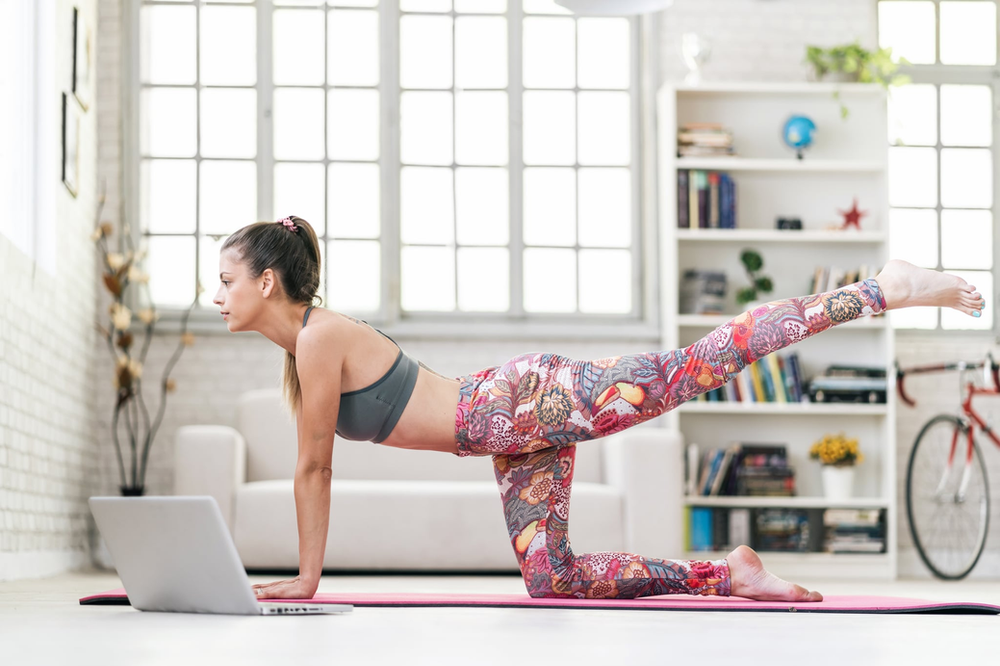
Women doing mat pilates

6. Step ups

One option for a good low-impact workout is the step bench. This type of exercise will get your heart pumping, and as long as the steps aren’t too steep, you should be fine exercising with bad knees. There are a number of step classes online to make step ups a more interactive and fun cardio exercise.
 

Cardio Exercises for Bad Knees: Frequently Asked Questions

1. What is the best cardio exercise for bad knees?

The best cardio exercise for bad knees is typically one that provides cardiovascular benefits while minimizing stress on the knee joints. Low-impact activities are generally recommended because they allow you to stay active without excessive joint loading. Common options include:

  • Walking
  • Cycling
  • Swimming
  • Water aerobics
  • Elliptical training

The most suitable exercise will depend on your fitness level, symptoms, and underlying knee condition.

2. Can I do cardio if I have knee pain?

Yes, many people with knee pain can safely participate in cardio exercise. Appropriate physical activity may help:

  • Improve joint health
  • Strengthen supporting muscles
  • Enhance mobility and function
  • Support weight management

It is important to choose low-impact activities and avoid exercises that significantly increase pain. If your knee pain is severe, worsening, or associated with swelling or instability, consult a physiotherapist before starting a new exercise program.

3. Is walking good cardio for bad knees?

Walking is often an excellent form of low-impact cardio for individuals with mild to moderate knee pain. Benefits may include:

  • Improved cardiovascular fitness
  • Better joint mobility
  • Increased muscle strength around the knee
  • Support for healthy weight management

Wearing supportive footwear and walking on even surfaces may help reduce stress on the joints.

4. What cardio burns calories without hurting knees?

Several low-impact cardio exercises can help burn calories while being gentle on the knees, including:

  • Cycling
  • Swimming
  • Water aerobics
  • Elliptical training
  • Rowing
  • Brisk walking

Water-based exercises are particularly beneficial because the buoyancy of water reduces stress on the joints while still providing an effective workout.

5. Are squats bad for bad knees?

Not necessarily. When performed correctly, squats can help strengthen the muscles that support the knee joint, including:

  • Quadriceps
  • Gluteal muscles
  • Hamstrings

However, the following may aggravate symptoms:

  • Deep squats
  • Poor technique
  • Excessive weight
  • Certain knee conditions

A physiotherapist can help determine whether squats are appropriate for your specific situation.

6. How often should I do cardio with bad knees?

The ideal frequency depends on your fitness level, symptoms, and goals. Many people benefit from moderate-intensity cardio several times per week.

General recommendations include:

  • Starting gradually
  • Increasing duration and intensity over time
  • Allowing adequate recovery between sessions
  • Monitoring symptoms after exercise

Your exercise program should be adjusted based on how your knees respond.

7. Is cycling safe for knee pain?

Cycling is often considered one of the most knee-friendly forms of cardio exercise. Benefits include:

  • Low-impact movement
  • Improved cardiovascular fitness
  • Strengthening of leg muscles
  • Reduced joint stress compared to running

To minimize knee strain:

  • Ensure proper bike fit
  • Use appropriate resistance levels
  • Maintain good cycling technique

Many individuals with knee pain find cycling to be a comfortable way to stay active.

8. What exercises should I avoid with bad knees?

Depending on your condition, activities that place excessive stress on the knees may need to be modified or avoided. These may include:

  • Running on hard surfaces
  • Jumping exercises
  • High-impact aerobics
  • Deep lunges
  • Sports involving rapid pivoting or cutting movements

A physiotherapist can provide individualized guidance based on your symptoms and diagnosis.

9. Can swimming help knee pain?

Yes. Swimming is often recommended for people with knee pain because it provides a full-body cardiovascular workout with minimal joint stress.

Benefits may include:

  • Reduced pressure on the knees
  • Improved cardiovascular fitness
  • Increased muscle strength
  • Better joint mobility
  • Improved overall function

Swimming and water-based exercise programs can be particularly beneficial for individuals with arthritis or chronic knee pain.

10. How can I protect my knees during cardio?

To help protect your knees during cardio exercise:

  • Choose low-impact activities
  • Wear supportive footwear
  • Warm up before exercise
  • Increase intensity gradually
  • Use proper exercise technique
  • Strengthen the muscles around the hips and knees
  • Maintain a healthy body weight
  • Allow adequate recovery between workouts

If pain persists or worsens during activity, consult a physiotherapist for assessment and individualized recommendations.

Social Share:

Recent Posts

Come visit us!

Rebuild physiotherapy is conveniently located in Toronto’s South Financial District with PATH accessibility.