Skiing will definitely be a popular activity this winter. Since we all have been spending so much time at home nowadays here are some tips on how to stay safe and performing at your highest this ski season.
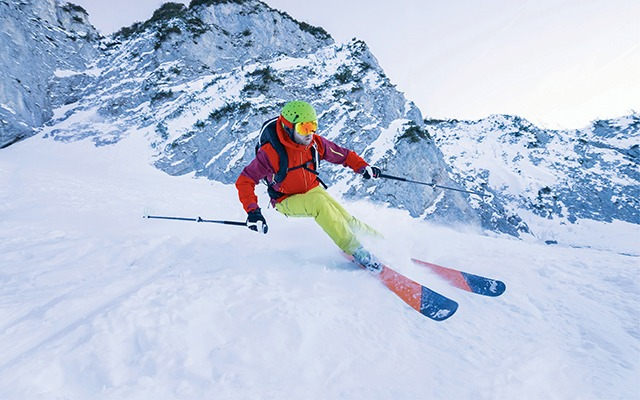
Knee injuries are common in skiing. ACL injuries make up 1/3 of all knee injuries that occur on the slopes. Most ACL injuries (over 70%) in skiing occur when the skier is in the “back seat” and catches an inside edge, causing the knee to twist beyond its normal range of motion. It is also important to point out that your non dominant leg has a higher rate of injury then the dominant leg. Females are 2x more likely to injury their non dominant leg. So in order to prevent knee injuries this ski season, it is critical to start preparing your body 6 weeks before hitting the slopes.
A training program with a focus in training the core, gluts, and knees will create a more stable “back seat” ski position on the hills. Body weight exercises like squats and lunges will strengthen the gluts and quadriceps, while planks, crunches, and back extension will focus on the core. Remember keeping an equal balance in strength between both legs is important to prevent injury to the non dominant leg so training each leg in isolation is important. Skiing is mainly an anaerobic exercise meaning your pulse is up to a high level for short burst of time so interval training would mirror this. Some exercises that would be helpful would include mountain climber or burpees.
Falling happens regularly especially when you are learning to ski. Here are some tips on how to fall safely. Remember to keep your knees bent and avoid falling with your knees straight. Also keeps your arms forward and up to avoid falling on your hands. Don’t try to get up until you have stopped sliding. If you are going off a jump, know where you are going to land and keep your knees flexed. Appropriate equipment is critical to being safe. Poorly functioning or improperly adjusted equipment is a frequent cause of injuries. Bindings that are too loose or too tight, as well as equipment that is improperly sized or used on improper terrain, can cause injury. It is also important to listen to your body for signs of fatigue. Most accidents happen on the third day of a ski trip because muscle fatigue has reached its peak 48 hours since the beginning of the trip.
It is important to wear a helmet while on the slopes. Head injuries account for 10-20% of ski and snowboarding injuries. 22% of these are severe enough to cause loss of consciousness and signs of a concussion. Some signs of a concussion include headaches, confusion, loss of memory, fatigue, mood swings. In cases when you suspect someone may have a concussion it is important to direct them medical care as soon as possible. A proper fitting helmet is an important part of staying safe on the hills this season.
Here are a final few common sense precautions.
1) Fresh powdery snow is safer then icy pack down snow.
2) Always stay in control: keep arms forward, keep feet together, hands over skis
3) People ahead of you have the right-of-way
4) Whenever starting downhill or merging, look uphill and yield
5) Finally remember to stay safe and have fun!
FAQ: Getting in Shape and Staying Safe for Skiing
1. How can I get in shape for skiing?
Focus on a mix of strength, endurance, balance, and mobility training. A well-rounded program should include lower body strengthening, core work, cardio, and dynamic exercises that mimic skiing movements. Start training at least 4–6 weeks before your ski trip.
2. What muscles should I train for skiing?
Key muscle groups include:
- Quadriceps: for controlling descents
- Glutes: for power and stability
- Hamstrings: for knee support
- Core muscles: for balance and control
- Calves: for ankle stability
Strong legs and core are essential for performance and injury prevention.
3. Is cardio important for ski fitness?
Yes. Skiing can be physically demanding, especially at higher altitudes. Good cardiovascular fitness helps reduce fatigue, improve endurance, and keep you skiing safely for longer periods.
4. Why is core strength important for skiing?
Your core stabilizes your body and helps transfer force between your upper and lower body. A strong core improves balance, control, and posture, while also reducing the risk of falls and back injuries.
5. How can I prevent knee injuries while skiing?
- Strengthen quads, hamstrings, and glutes
- Maintain good technique (avoid leaning back)
- Use properly fitted bindings and boots
- Avoid skiing when overly fatigued
- Warm up before hitting the slopes
Strong, well-balanced muscles help protect the knee joint.
6. What is the safest way to fall while skiing?
- Try to fall to the side rather than backward or forward
- Avoid using your hands to break the fall
- Keep your limbs relaxed rather than stiff
- Let your body slide to dissipate force
Practicing controlled falls can help reduce injury risk.
7. Why is proper ski equipment important for safety?
Properly fitted skis, boots, and bindings ensure better control and reduce injury risk. Incorrect equipment can affect balance, increase fatigue, and lead to falls or joint injuries.
8. Should I wear a helmet while skiing?
Yes, wearing a helmet is strongly recommended. It significantly reduces the risk of head injury in the event of a fall or collision.
9. How does fatigue affect skiing safety?
Fatigue reduces muscle control, reaction time, and coordination. This increases the likelihood of poor technique, falls, and injuries—especially later in the day or on longer runs.
10. What basic safety rules should skiers follow?
- Stay in control and ski within your ability
- Yield to skiers ahead of you
- Stop in safe, visible areas
- Look uphill before starting or merging
- Follow posted signs and trail markings
These rules help keep both you and others safe on the slopes.