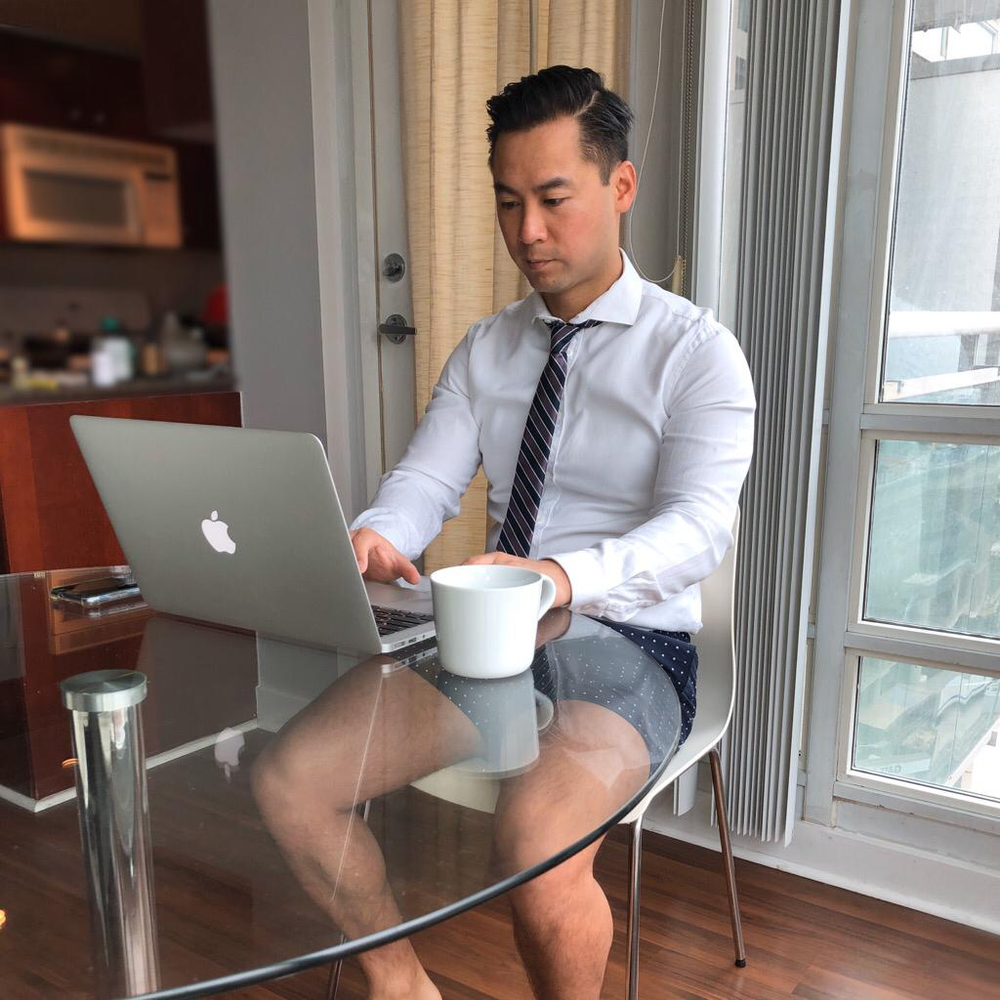
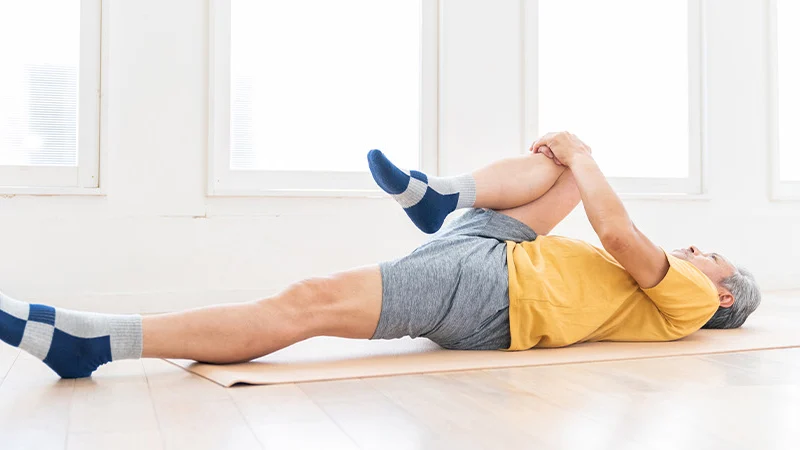
This self quarantine has been a pain in the butt, both figuratively but possibly physically also. We are all sitting more and moving less during this self isolation. This sedentary lifestyle can cause tension and weakness in our hip muscles leading to a condition called piriformis syndrome otherwise known as deep gluteal syndrome.
Advice:
Try to move more throughout the day. Stand up and walk around when taking calls from work. Set up your workstation at the kitchen counter so you can work in standing. Although it’s hard to stay motivated it’s important to work out. This can vary from a HIIT or yoga video to walking or riding a bike outside. Use a foam roller to massage your buttock and legs. To learn how, follow me on instagram @rebuildphysiotherpy.
Neck and Back Pain:
This is one of the most common issues I am working with my patients on nowadays through our virtual appointments. We have all set up “home offices” and this setup vary among individuals. Some great ergonomic set ups involves working at a desk or kitchen table with a desk top or laptop. Other less ideal set ups include sitting on the couch slouched over a laptop on a coffee table. Ouch! Slouching over a coffee table like this can put up to 30 kg of pressure on your neck and 180 kg of pressure on the discs of your lower back.
Advice:
Set up your office at a desk or a dining table. Ideally sit in a chair where your feet can touch the ground. Use a laptop riser so the height of the monitor can be closer to eye level. Consider “borrowing” your external monitor and/or keyboard from the office at work and plug them into your laptop at home. Remember to sit up with good posture when you work. As tempting as it may feel to work in bed all day. Get up. You will physically and mentally feel better.n
Stress and anxiety:
Our mental health is definitely being tested during this period of self isolation. Most parents are struggling with working from home while caring for the kids throughout the day. We have had to set up a home office, home gym, home school, home barber shop, etc. Our sleep routine has been challenged. Waking up late only means that it will be hard to go to sleep at night. Difficulty sleeping compounds our stress.
Advice:
Before COVID 19, I would regularly recommend exercise as an outlet for stress relief. This advice hold true now more than ever. Exercise releases endorphins, dopamine, and serotonin which all will boost your mood and sense of well being. Personally I maintain a 3 day per week workout schedule involving 20-30 min online videos. It makes me feel like I am working out with someone and I feel better after. Serotonin, released from exercise, also helps regulate your sleep cycle. During the weekdays I go to bed at midnight and set an alarm for 9 am. Still quite a bit of sleep but there has got to be some good out of all this.
FAQ: Home Office Pain and Injury Prevention
1. Why am I getting more neck pain since working from home?
Neck pain often comes from prolonged poor posture, such as leaning forward toward your laptop, slouching, or holding your phone between your shoulder and ear. Lack of ergonomic support and fewer movement breaks can worsen the strain.
2. What are the most common home office injuries people get during COVID-19?
Common issues include:
Neck and upper back pain
Lower back pain
Shoulder tension
Wrist and forearm pain (from typing)
Headaches from poor posture or screen positioning
3. How can poor posture at my desk lead to pain or injury?
Poor posture increases stress on muscles, joints, and ligaments. Over time, this can cause:
Muscle fatigue and tightness
Joint irritation in the neck, shoulders, and spine
Repetitive strain injuries in the wrists and elbows
Headaches from tension in neck muscles
4. What can I do if my lower back hurts after working all day at home?
Stand up and walk or stretch every 30–60 minutes
Use a chair with proper lumbar support or add a small pillow
Strengthen core and glute muscles to support your spine
Adjust desk and chair height for proper alignment
5. Why do my shoulders feel tight after hours of virtual meetings?
Holding your shoulders in a forward or shrugged position for long periods causes tension in the upper back and neck muscles. Lack of movement and rounded posture contributes to stiffness and discomfort.
6. How can I prevent wrist pain from typing at my home office setup?
Keep wrists neutral, not bent up or down
Use a keyboard tray or pad to support wrists
Take short breaks to stretch and shake out your hands
Alternate tasks to reduce repetitive strain
7. What are signs that my home workspace is causing an injury?
Persistent pain or stiffness in neck, back, shoulders, or wrists
Tingling, numbness, or weakness in arms or hands
Headaches related to posture
Pain that improves when away from your desk
8. How often should I take breaks to avoid home office overuse injuries?
Take micro-breaks every 30–60 minutes to stand, stretch, and move around. Even 1–2 minutes of mobility exercises can reduce muscle strain and improve circulation.
9. Can simple stretching help reduce home office-related discomfort?
Yes. Stretching the neck, shoulders, upper back, wrists, and hips helps relieve tension, improve posture, and prevent stiffness. Combine stretching with strengthening exercises for best results.
10. What ergonomic changes can stop pain from developing in my home office?
Adjust monitor to eye level and at arm’s length
Use a chair with lumbar support and correct seat height
Keep feet flat on the floor or on a footrest
Position keyboard and mouse for neutral wrists
Organize your workspace to avoid reaching or twisting frequently
Small adjustments can significantly reduce pain and prevent injuries over time.