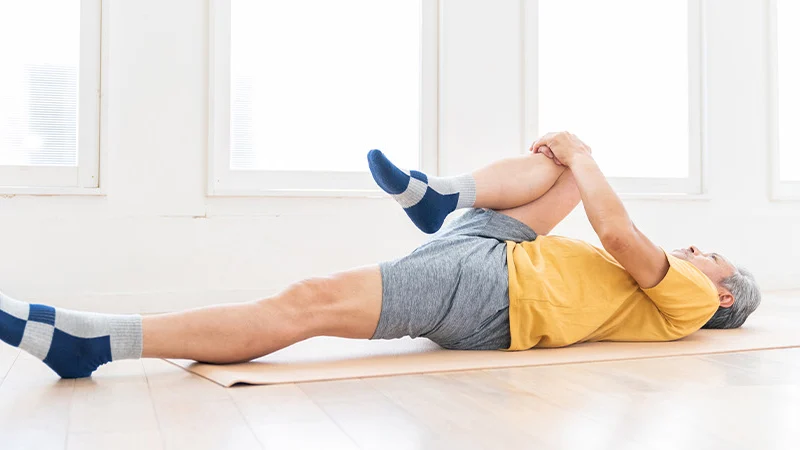
Since Toronto gyms are still closed this summer due to Covid 19, many of us has turned to running outdoors as our primary workout. Running has been a great way to get in shape while enjoying some fresh air. But stubborn knee pain can curtail your new hobby. This injury is called “runner’s knee” other wise known as “patellar femoral pain syndrome”. This is a very common knee injury that can be caused from muscle imbalances in your knee and hip. Let’s explore some effective treatment strategies for your knee.
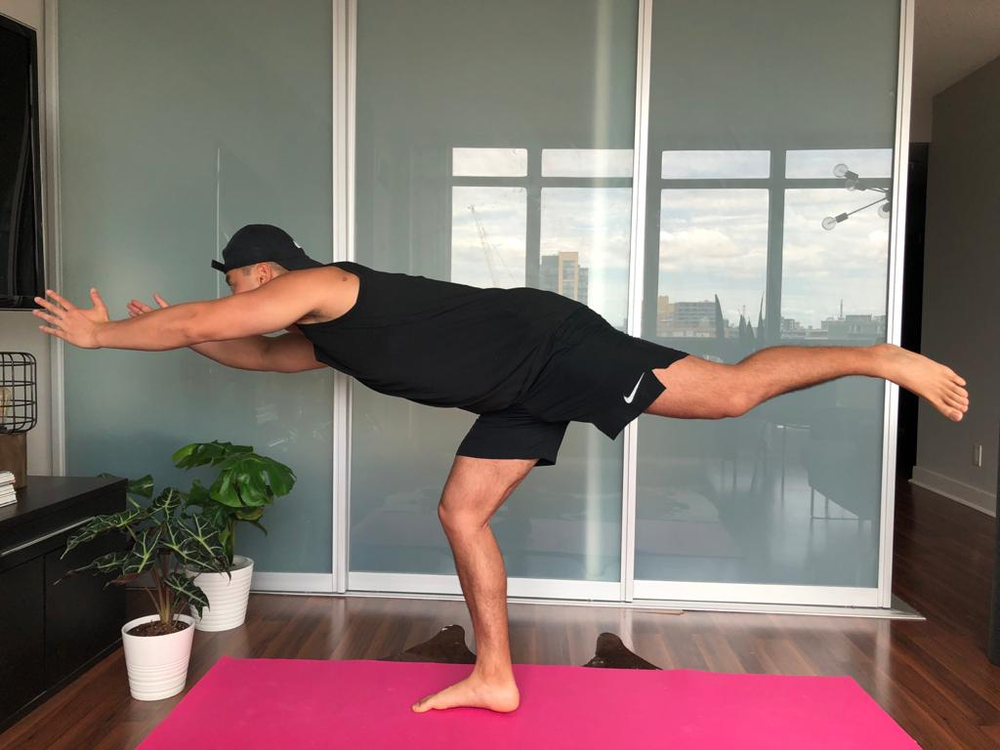
Single Legged RDL’s
Muscles in your hip plays an important role in the alignment of your knee during walking and running. In particular the gluteus medius, the muscle on the side of your hip, keeps the knee straight while you walk and run. When the gluteus medias is weak the knee will deviate inwards causing knee pain. A single legged Romanian Dead Lift (RDL) is a great exercise to strengthen the glut med and the muscles that stabilize the ankle and foot.
Perform this exercise with your shoes off. Keep your heel and the ball of your foot on the ground as your stand on one foot. Bend forward as you reach your arms forward and kick your leg up. Firmly straighten your back leg and lock your elbow. Stand back up as you lower your arms and leg. Repeat this exercise without resting your leg down. As you perform this exercise you will feel the glut med contract to stabilize the hip.
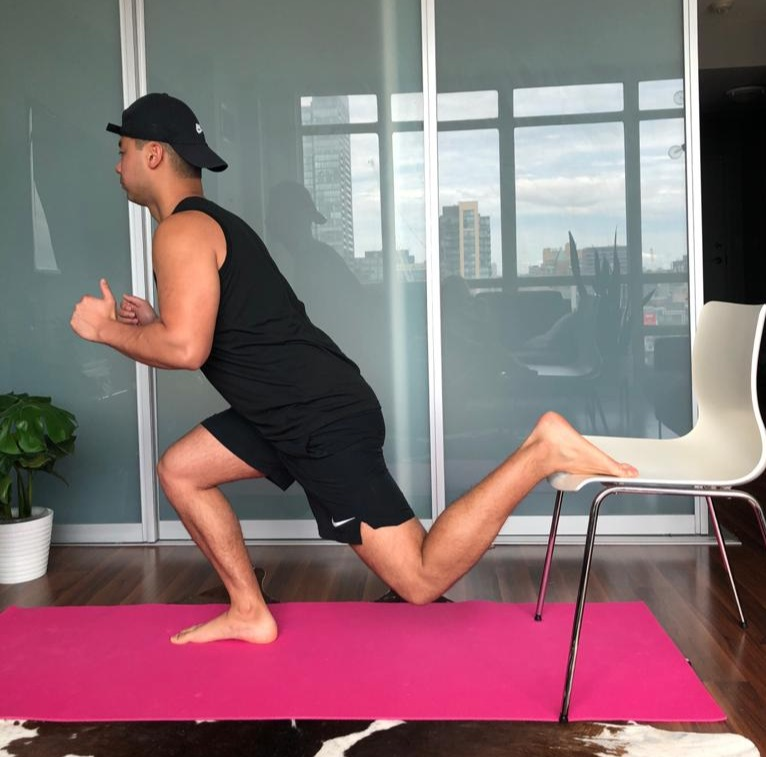
Split Squat
The quadricep muscles attach to the knee cap. Weakness in the quadriceps will lead to poor tracking of the knee cap resulting in pain. The split squat will strengthen the quadriceps. nPerform this exercise with one foot on the floor and one foot up on the couch or chair. Lunge down until your knee makes a 90 degree angle. Drive firmly down against the ground with the balls of your foot to stand back up. Pushing down with the ball of your foot will help you engage your quadriceps more during the split squat. This exercise will work the glut med too as an added benefit.
Shoes
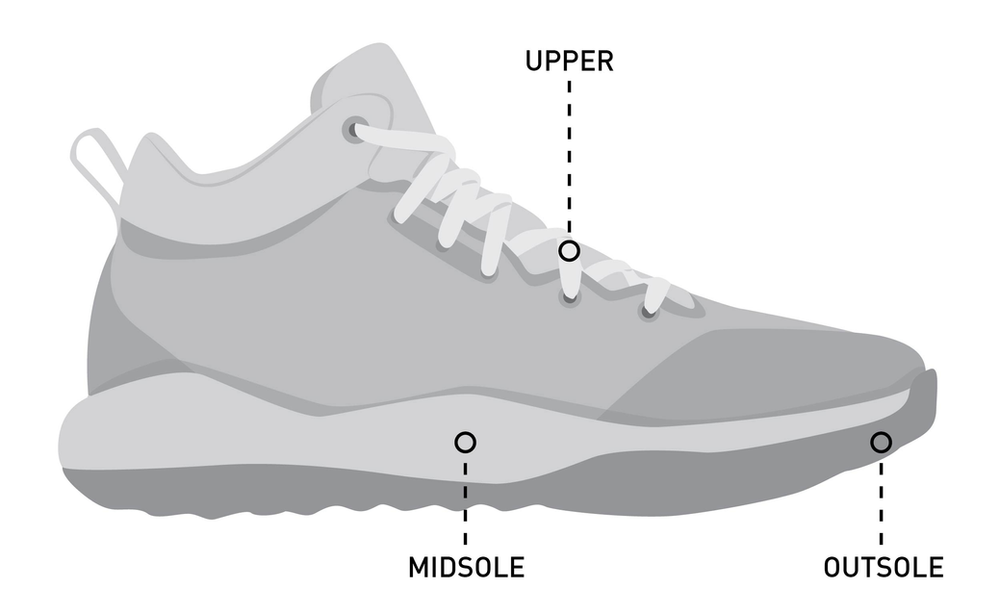
Have you taken a look on how much tread is left on the bottom of your shoes? If you look at your shoes and the tread on the outsole has mostly worn then it may be time to retire those kicks. This is often a sign that the mid sole of your shoes are worn out too. Also what type of shoes are you running in? Clinically, I have treated many patients that have injured their feet, ankle, and knee from running in shoes with a thicker then normal midsole such as the Adidas “ultraboost”. These shoes provide too much cushioning which can encourage people to land hard through their heel and these forces travel to the foot, ankle, and knee. Traditional running shoes by Asics and New balance has a thinner midsole which will encourage you to properly land on your mid foot.
Foam Rolling
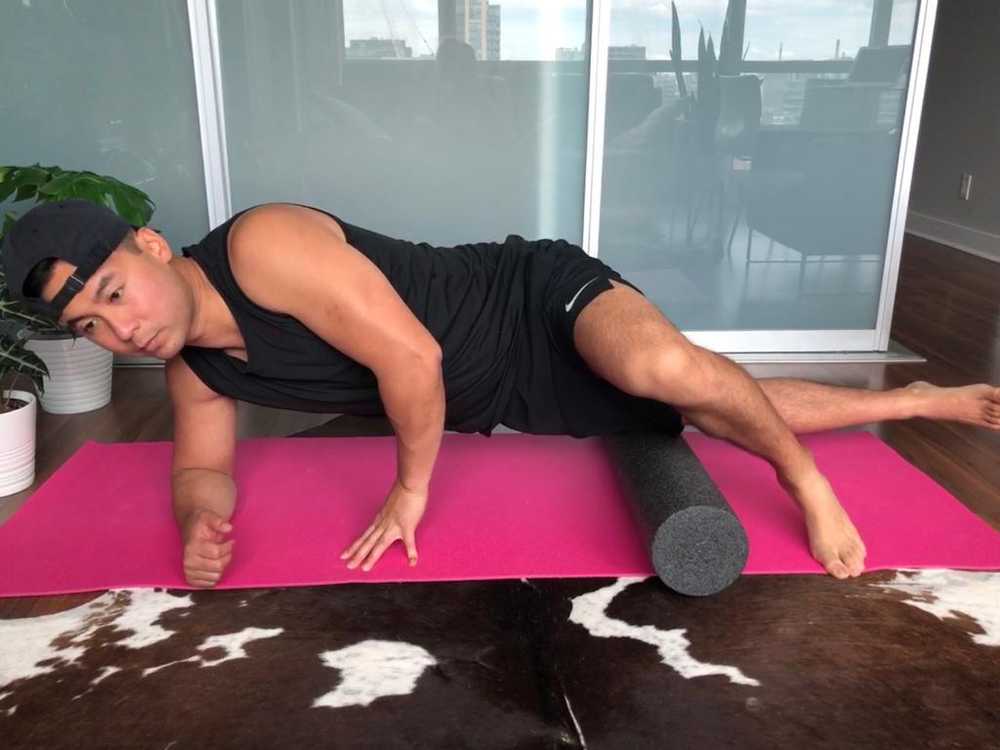
Research has shown that foam rolling is very effective at releasing muscle tension. Runner’s knee is caused by the lateral tracking of the knee cap due to muscle tension from the vastus lateralis, IT band, and the gluteus maximus. Foam rolling these muscle may be sore at first but should feel more comfortable with repeated sessions. The combination of foam rolling, strengthening, and updating your shoes should help with your knee pain so you can get back running and enjoying the Toronto summer!
FAQ: Runner’s Knee
1. What is runner’s knee and what causes it?
Runner’s knee, also called patellofemoral pain syndrome, is pain around or behind the kneecap. It’s often caused by:
- Overuse from running or jumping
- Weak or imbalanced thigh and hip muscles
- Poor running mechanics or foot alignment
- Tight muscles around the hip and knee
2. What are the most effective ways to fix runner’s knee?
Effective approaches include:
- Exercises to strengthen the quadriceps, hips, and core
- Correcting running form and gait
- Stretching and massing tight muscles (glutes and quads)
- Gradual load management to avoid overuse
3. How long does it take to recover from runner’s knee with physiotherapy treatment?
Mild cases may improve within 4–6 weeks, while moderate or chronic cases can take 2–3 months. Recovery depends on consistency with exercises and activity modification.
4. Can I still run with runner’s knee pain?
It depends on severity. Mild discomfort may be acceptable, but sharp or worsening pain indicates you should reduce or modify running. Low-impact alternatives like cycling or swimming may be safer during recovery.
5. Which exercises are best for fixing runner’s knee?
- Quadriceps strengthening: straight leg raises, terminal knee extensions
- Hip and glute strengthening: clamshells, bridges, side-lying leg lifts
- Core stability exercises: planks, bird-dogs
- Gentle stretching of tight muscles around the knee and hip
Refer to the exercises in the blog above for some ideas.
6. Does changing my running shoes help with runner’s knee?
Proper shoes with good support and cushioning can help, especially if your current shoes are worn out or don’t match your foot type. Shoe inserts or orthotics may also help if you have overpronation or other alignment issues.
7. Should I use ice, heat, or rest for runner’s knee pain?
- Ice can help reduce inflammation and pain after activity
- Heat may help loosen tight muscles before exercise
- Rest or reducing high-impact activities is important to avoid aggravating the knee
A combination of these approaches often works best.
8. Can physiotherapy help fix runner’s knee?
Yes. Physiotherapy is one of the most effective treatments. A physiotherapist will assess your muscle strength, mobility, and running mechanics, then create a tailored exercise and rehabilitation plan.
9. How do I prevent runner’s knee from coming back?
- Strengthen your quads, hips, and core regularly
- Stretch tight muscles and maintain flexibility
- Wear appropriate footwear
- Gradually increase running distance and intensity
- Monitor and adjust running form as needed
10. When should I see a physiotherapist for runner’s knee?
See a physiotherapist if:
- Pain persists beyond a week or two
- It worsens with activity
- You notice swelling, clicking, or instability
- You want guidance on safe running and exercises to prevent recurrence