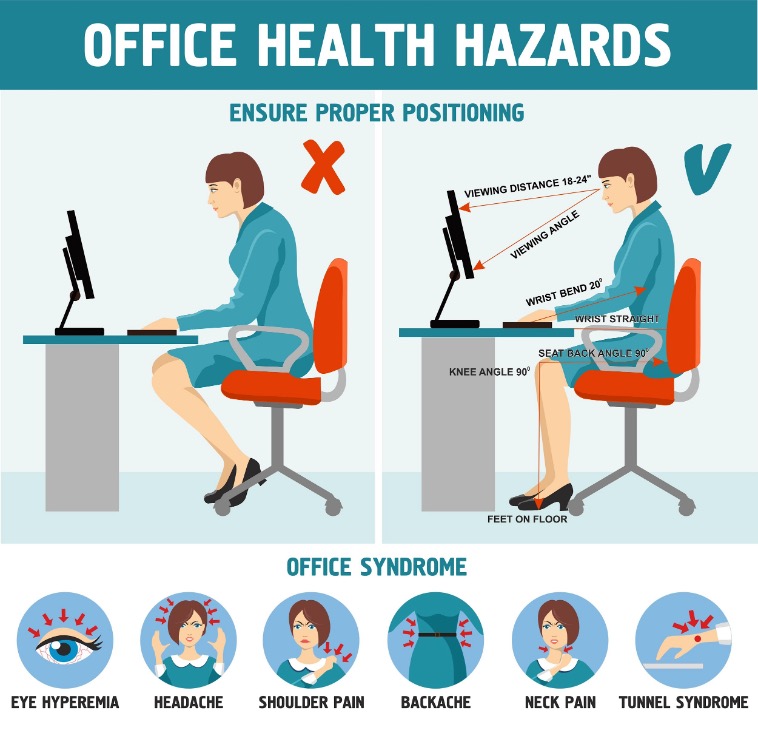
Are you having butt pain when you are sitting for too long? Does the pain radiate down the leg? There are many causes of pain in the hip. One of which could be caused by tight muscles in the buttock in a condition called piriformis syndrome. Let’s take a look at what is piriformis syndrome and what treatments are involved to fix it.

What is it?
The piriformis is a muscle that is located in the buttock. Excessive tension in the piriformis can cause pain in the buttock and even compress the nearby sciatic nerve. Compression of the sciatic nerve can lead to pain, numbness, and tingling in the thigh, calf, and feet. Tension in the piriformis can be caused by a general lack of activity and prolong periods of sitting. However, over training and a lack of stretching and recovery work can also cause tension in the piriformis.
What are the signs and symptoms?
-symptoms can vary and include: pain, numbness, tingling, swelling, and burning.
-symptoms can be in the buttock, back of the thigh, calf, and feet. These symptoms can be in all or just one of those areas.
-discomfort with prolong sitting.
-pain with walking on even ground, inclines, or stairs.
How is it treated?
Although this issue is referred to as piriformis syndrome the cause of this injury often involves many of the surround muscles in this area. There are many muscles around the piriformis that is also tight so they will all need to be treated by your physiotherapist. Tension in the piriformis and the surrounding muscles can be release through stretching, massage, active release, and dry needling. Massage and active release are both soft tissue treatments your physiotherapist can apply. With active release treatments, your physiotherapist will apply a massage like pressure to your hip while stretching the piriformis.
Dry needling is a form of acupuncture. Dry needling is particularly effective at releasing tight muscular knots in muscles. Although you may feel some mild discomfort during this procedure the pain relief is significant and long lasting. To perform dry needling your physiotherapist will feel for tight muscular knots in your piriformis with their hands. Your physiotherapist will insert a needle into the piriformis. Often when the acupuncture needle is inserted into the tight knot, you will see and feel a muscle twitch response indicating the knot has been released.
Common Home Exercises
Piriformis stretch/ foam rolling
Perform the piriformis stretch in sitting. Cross your foot over the opposite knee. Hinge forward at your hip and you will feel a nice stretch along your buttock. Hold this stretch for 20-30 seconds and repeat for 3 sets. Foam rolling your buttock will also be a good option since it will massage your piriformis and nearby buttock muscles.
Sciatic nerve floss
If you are feeling buttock pain and pain/numbness/tingling down your leg this may be a sign of your sciatic nerve being compressed by your piriformis. To loosen the sciatic nerve you can floss the sciatic nerve free from the piriformis. This is similar to when you floss to clean your teeth. Perform this exercise in sitting with your feet on the floor and head looking down. Straighten your knee as you look up toward the ceiling. Repeat for 10 repetition and 3 sets.

Clam shell
Lye on your side with your hip bent to about 45-60 degrees. Separate your knees while keeping your feet together. For increased resistance you may place a band at your knees. Perform 10-20 repetitions for 3 sets.


Piriformis Syndrome: Frequently Asked Questions
1. What are the early signs of piriformis syndrome?
Piriformis syndrome occurs when the piriformis muscle in the buttock irritates or compresses the sciatic nerve. Early symptoms may include:
- Pain or aching deep in the buttock
- Tenderness in the buttock region
- Discomfort when sitting for prolonged periods
- Pain that may radiate down the back of the leg
- Increased symptoms during walking, running, or climbing stairs
- Tingling or numbness in the buttock or leg
Symptoms often develop gradually and may worsen with certain movements or positions.
2. Can piriformis syndrome cause sciatica?
Yes. Piriformis syndrome can cause sciatica-like symptoms when the piriformis muscle irritates or compresses the sciatic nerve.
Common symptoms may include:
- Pain radiating from the buttock into the thigh or lower leg
- Tingling or numbness in the leg
- Burning sensations along the sciatic nerve pathway
- Increased pain with prolonged sitting
Not all cases of sciatica are caused by piriformis syndrome, as conditions involving the lower back can also affect the sciatic nerve.
3. What causes piriformis syndrome?
Piriformis syndrome can develop when the piriformis muscle becomes tight, irritated, or inflamed.
Potential contributing factors include:
- Prolonged sitting
- Overuse during running or other repetitive activities
- Muscle tightness or weakness
- Poor posture
- Hip or pelvic movement dysfunction
- Previous injury or trauma to the buttock region
In many cases, multiple factors contribute to the condition.
4. How do you relieve piriformis syndrome pain quickly?
Short-term symptom relief may be achieved through:
- Reducing aggravating activities
- Gentle stretching of the piriformis muscle
- Applying ice or heat as tolerated
- Changing positions regularly
- Avoiding prolonged sitting
- Gentle walking and movement
Persistent symptoms often require a more comprehensive physiotherapy approach.
5. What exercises help piriformis syndrome?
Exercise is often a key component of treatment.
Commonly recommended exercises include:
- Piriformis stretches
- Figure-four stretches
- Hip external rotator stretches
- Glute strengthening exercises
- Core stabilization exercises
- Hip mobility exercises
A physiotherapist can determine which exercises are most appropriate based on your symptoms and movement patterns.
6. Is walking good for piriformis syndrome?
For many people, walking can be beneficial because it promotes circulation and gentle movement.
Potential benefits include:
- Reduced stiffness
- Improved mobility
- Increased blood flow to affected tissues
- Prevention of prolonged sitting
However, if walking significantly increases symptoms, activity levels may need to be modified until irritation settles.
7. How long does piriformis syndrome take to heal?
Recovery time varies depending on the severity of symptoms, underlying causes, and treatment approach.
General timelines may include:
- Mild cases: several weeks
- Moderate cases: several weeks to a few months
- Persistent cases: several months or longer
Early treatment and adherence to rehabilitation often improve recovery outcomes.
8. Can sitting make piriformis syndrome worse?
Yes. Sitting is one of the most common aggravating factors.
Prolonged sitting may:
- Increase pressure on the piriformis muscle
- Irritate the sciatic nerve
- Increase buttock and leg pain
- Contribute to muscle tightness
Taking regular standing and walking breaks can help reduce symptom aggravation.
9. When should I see a physiotherapist for piriformis syndrome?
You should consider physiotherapy if you experience:
- Persistent buttock pain
- Sciatica-like symptoms
- Difficulty sitting comfortably
- Symptoms that interfere with work or exercise
- Recurrent episodes of pain
- Limited hip mobility
A physiotherapist can assess the underlying causes and develop a personalized treatment plan.
10. Can piriformis syndrome go away without treatment?
Some mild cases may improve with rest, activity modification, and time. However, symptoms often persist if the underlying factors are not addressed.
Without treatment, individuals may experience:
- Ongoing pain
- Recurrent flare-ups
- Reduced mobility
- Difficulty with exercise and daily activities
Addressing muscle tightness, strength deficits, and movement patterns can help reduce the likelihood of recurring symptoms.