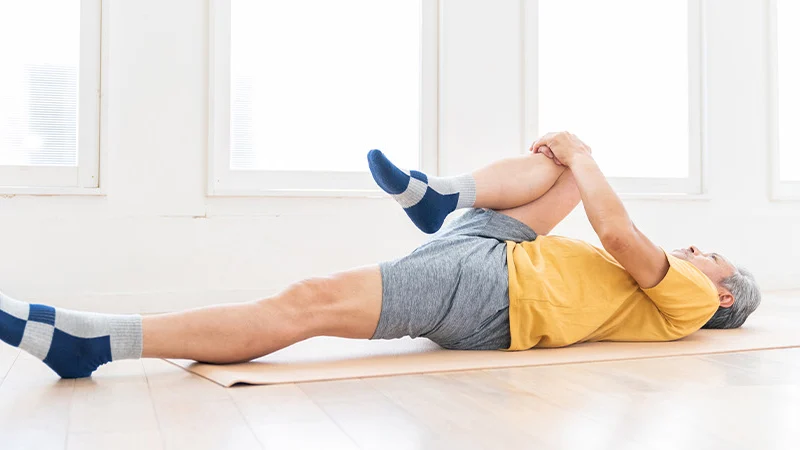

Knee pain is a common ailment among athletes of all levels, from weekend warriors to elite competitors. Whether you’re a runner, a basketball player, or someone who enjoys intense workouts, the knees bear a significant load during athletic activities. Understanding how to prevent and treat knee pain is crucial for maintaining peak performance and avoiding long-term injury. Here, we delve into effective strategies for managing knee pain in athletes.
Understanding the Causes
Knee pain can stem from various sources, including overuse, poor biomechanics, acute injuries like sprains or tears, or underlying conditions such as arthritis. Athletes often experience pain due to repetitive stress on the knee joint, leading to conditions like patellofemoral pain syndrome (runner’s knee), patellar tendinitis, or ligament injuries such as ACL (anterior cruciate ligament) tears.
Prevention Strategies
1. Proper Warm-up and Cool-down: Engaging in a thorough warm-up routine before exercise helps to increase blood flow to the muscles and prepare the joints for movement. A cool-down period with stretches can aid in maintaining flexibility and reducing muscle tension post-activity.
2. Strengthening Exercises: Building strength in the muscles around the knee and hip—particularly the quadriceps, hamstrings, and gluteal muscles—provides crucial support and stability. Exercises like squats, lunges, and leg presses help to improve muscle balance and protect the knee joint.
3. Correct Technique: Athletes should focus on maintaining proper form during sports activities and exercises. This includes using appropriate footwear, avoiding sudden changes in intensity or direction, and ensuring movements are biomechanically sound.
4. Gradual Progression: Avoiding sudden increases in training volume or intensity can prevent overuse injuries. Athletes should gradually build up their workout routines to allow the body time to adapt and recover adequately.
5. Cross-training: Incorporating a variety of exercises and activities into training regimens reduces the repetitive stress on the knees. Activities like swimming, cycling, or yoga can complement primary sports while providing cardiovascular benefits with less impact on the joints. Meanwhile resistance training will keep muscles strong and provide additional support for joints.
Treatment Approaches
1. Rest and Ice: In cases of acute knee pain or inflammation, resting the affected knee and applying ice can help to reduce swelling and alleviate discomfort. Compression and elevation of the knee may also aid in recovery.
2. Physiotherapy: A structured physiotherapy program can address muscle imbalances, improve joint mobility, and enhance overall biomechanics. Physiotherapists use techniques such as strengthening exercises, stretching, and manual therapy to facilitate healing.
3. Medication: Over-the-counter nonsteroidal anti-inflammatory drugs (NSAIDs) like ibuprofen may be recommended to manage pain and inflammation. However, these should be used under medical supervision to avoid potential side effects.
4. Bracing or Supportive Devices: Depending on the injury or condition, athletes may benefit from wearing knee braces or supports during activities to provide additional stability and protection.
5. Surgical Intervention: In cases of severe injury or persistent pain that doesn’t respond to conservative treatments, surgical options such as arthroscopic procedures or ligament reconstruction may be necessary.
Conclusion
Preventing and managing knee pain in athletes requires a multifaceted approach that includes proper training techniques, adequate rest, and timely intervention when injuries occur. By prioritizing strength and flexibility, maintaining good biomechanics, and seeking early treatment for pain or discomfort, athletes can safeguard their knee health and optimize their performance in sports and fitness activities.
Ultimately, listening to the body and addressing knee pain promptly can make a significant difference in an athlete’s long-term health and athletic longevity. With these strategies in mind, athletes can stay in the game, enjoying their chosen sports while minimizing the risk of knee injuries.
Knee pain in Athletes: Frequently Asked Questions (FAQ)
1. What are the most common causes of knee pain in athletes?
Athletes often experience knee pain due to a combination of overuse, poor biomechanics, and high-impact activities. Common causes include patellofemoral pain syndrome, tendonitis, meniscus injuries, ligament sprains (like ACL or MCL tears), and muscle imbalances. Sudden changes in training intensity, inadequate recovery, or improper technique can also increase the risk of knee pain and injury.
2. How can overuse or repetitive stress lead to knee problems in sports?
Repetitive movements—such as running, jumping, or cutting—can place continuous stress on the knee joint. Over time, this can irritate surrounding tissues, weaken tendons, or inflame the patellar tendon and joint structures. Without proper rest and recovery, the knee does not have enough time to repair itself, leading to chronic pain, inflammation, and overuse injuries like runner’s knee or jumper’s knee.
3. What role does proper warm-up and cool-down have in preventing athlete knee pain?
A proper warm-up increases blood flow, activates key muscle groups, and prepares the joints for movement, reducing the risk of injury. Dynamic movements like leg swings, lunges, and light jogging help improve mobility and neuromuscular control around the knee. Cooling down with stretching and light movement helps reduce muscle tightness, promote recovery, and maintain flexibility—all of which protect the knee during future training sessions.
4. What are the benefits of cross-training to protect the knees?
Cross-training reduces repetitive strain by varying the stress placed on the body. Mixing low-impact activities—such as swimming, cycling, or strength training—with high-impact sports helps strengthen surrounding muscles without overloading the knees. It also improves overall athleticism, balances muscle groups, reduces fatigue, and lowers the risk of overuse injuries by promoting full-body conditioning.
5. What is the role of bracing or supportive devices in athletic knee injury treatment?
Knee braces and supportive devices can provide stability, reduce excessive movement, and protect injured tissues during recovery. They are especially helpful for ligament injuries, patellar tracking issues, or post-surgical rehabilitation. While braces can improve confidence and reduce pain during activity, they should complement—not replace—proper strengthening, rehabilitation, and movement training.
6. How can proper footwear and surface selection impact knee stress in athletes?
Wearing appropriate footwear with proper cushioning, stability, and support helps absorb shock and promote correct alignment from the ground up. Old or improper shoes can increase knee load and contribute to pain or injury. Additionally, training surfaces matter—hard surfaces increase impact forces, while uneven terrain can cause instability. Choosing the right combination reduces strain and helps prevent unnecessary knee stress.
7. How does correct athletic technique and biomechanics help reduce knee injury risk?
Proper technique ensures that forces are distributed evenly through the muscles and joints, reducing excessive stress on the knee. Good biomechanics—such as proper landing mechanics, hip stability, and alignment—help prevent the knee from collapsing inward or rotating excessively. Coaches, physiotherapists, and athletic trainers often analyze movement patterns and provide corrections to help athletes move more efficiently and safely.