
In a city like Toronto, nearly 80% of our patient population works at a desk. And out of that group, another 80% suffer from low back pain.
Low back pain is the most common injury we see in the clinic, so common, in fact, that we probably treat it every two hours on average during a regular shift.
When you have severe back pain, you often need a structured rehabilitation process to regain control. But if you already have good control, aren’t suffering too much yet, and work at a desk, here are some effective tips to limit the risk of having to pay us a visit:
Tip 1: Move, Move, Move
Move as frequently as you can, and when you think you’ve moved enough, move more.
What we mean is: the more frequently you stand up and walk a few steps, the less you put yourself at risk for low back pain.
Think about it: the human body adapts to what you do.
- If you play soccer, you get better at soccer.
- If you practice math, you get better at math.
- If you sit all day… you get better at sitting, but worse at everything else.
That’s why standing up every 20 minutes to take a few steps helps prevent back pain. It’s like a reset button. Your body is reminded that movement is normal, and that simple reminder can go a long way.
Tip 2: Stay Active Outside of Work
Most guidelines recommend daily physical activity, ideally cardio-based, like walking, running, swimming, or cycling.
Some guidelines recommend 30 minutes per day, while others suggest an hour or more. Either way, try to do as much as you can.Moving around is how you stay pain free while working from home
Cardio isn’t just important for back pain; it’s essential for your overall health. Research has shown that a sedentary lifestyle can be just as dangerous as smoking tobacco. Moving around is the key to staying pain-free while working from home.
So, move as much as you can to stay in shape, stay healthy, and keep the back pain away!
Tip 3: Ergonomics Matters (But Not as Much as You Think)
Should you get your desk setup assessed for better ergonomics and posture? Sure. Research shows that a poor setup can increase your risk of pain. Having the desk, screen, and keyboard positioned appropriately for your height just makes sense.
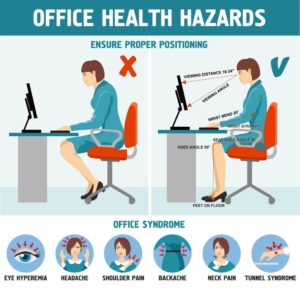
But notice that we only ranked this as Tip #3. Why? Because no matter how “perfect” your setup is, if you don’t move frequently during the day (see Tip #1), it won’t make much of a difference.
Yes, a sit-to-stand desk can help, but only if you’re also taking a few steps every 20 minutes. If you’re just switching between static sitting and static standing, we aren’t convinced it will make a significant difference.
Tip 4: Don’t Wait to See Your Physio
If you are in pain, don’t wait. Consult with your best physiotherapist
No, back pain is not because of your age. It’s not “normal,” and it’s not something you just have to accept. However, if left untreated, it can become chronic.
If you’re experiencing back pain that affects your everyday life, don’t hesitate to reach out for help. Our dedicated team is here to provide effective care that not only relieves your discomfort but also restores your full strength and mobility.
With personalized treatment plans tailored to your specific condition, you can get back to living an active, pain-free life.
About the Author
Julien Trapeau is a Registered Physiotherapist, FCAMPT working at Kinoveo Physiotherapy Clinic in Kanata.