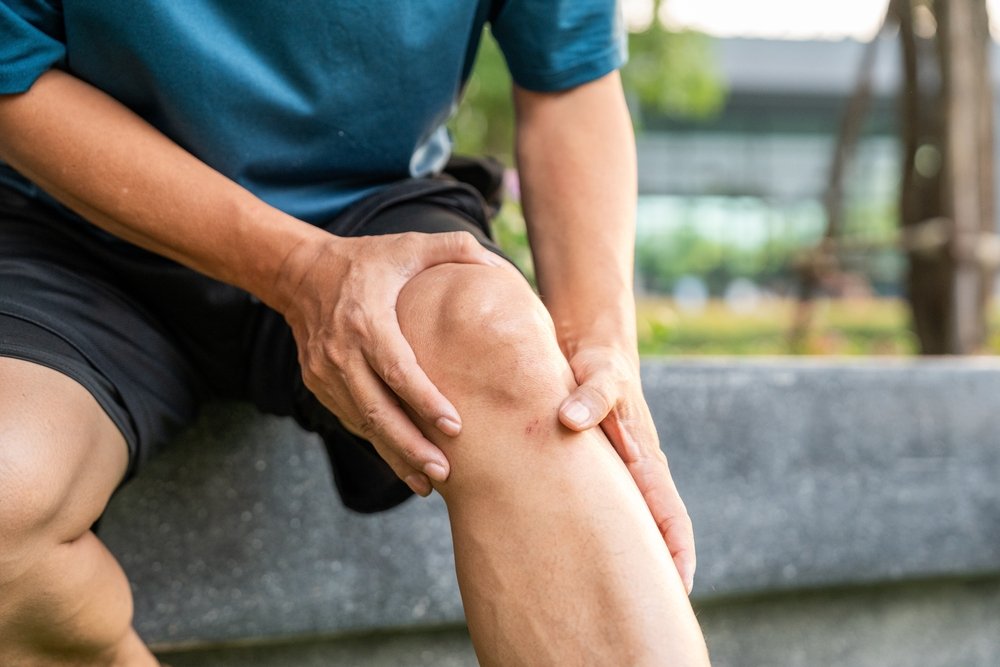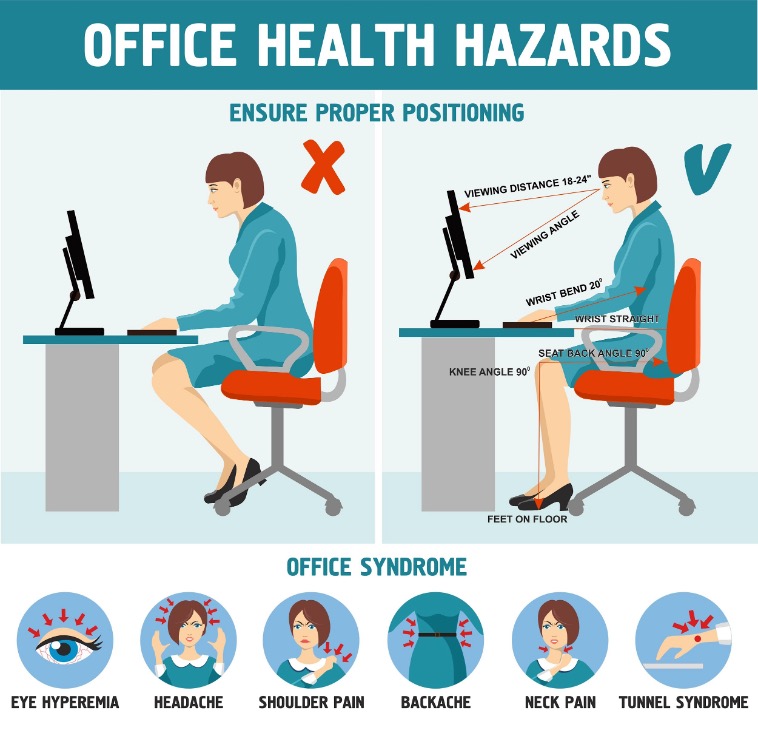
Patellofemoral pain syndrome (PFPS) is a common cause of pain at the front of the knee, especially during activities such as walking up or down stairs, squatting, running, or sitting for long periods of time. Because the knee plays an essential role in everyday movement and physical activity, even mild pain can affect work, exercise, and quality of life. Understanding what patellofemoral pain syndrome is, how it develops, and how physiotherapy can help is key to a successful recovery.
What is it?
Patellofemoral pain syndrome refers to pain originating from the joint between the kneecap (patella) and the thigh bone (femur). It occurs when this joint is exposed to increased stress or altered movement patterns over time.
PFPS does not usually involve a single traumatic injury or structural damage. Instead, it is most often related to how the knee moves and loads during daily and sporting activities. Current clinical guidelines recognize PFPS as a movement- and load-related condition, rather than a problem isolated to the kneecap alone.
Contributing factors may include:
- Weakness and reduced flexibility in the hip and knee muscles
- Poor control of knee alignment during movement
- Overuse or rapid increases in training volume or intensity
- Abnormal knee cap tracking
- Prolonged sitting or repetitive knee bending
What are the signs and symptoms?
Typical symptoms of patellofemoral pain syndrome include:
- Pain around or behind the kneecap
- Pain with stairs, squatting, lunging, or running
- Aching after sitting with the knees bent for extended periods
- Clicking or grinding sensations in the knee
- Pain that gradually worsens with activity
Symptoms often develop gradually and may fluctuate depending on activity levels.
How is it treated?
Treatment for patellofemoral pain syndrome focuses on exercise-based rehabilitation, which is strongly supported by current clinical practice guidelines. Physiotherapy aims to reduce pain, improve movement quality, and restore strength and control throughout the hip and knee.
Your physiotherapist will assess how your hip, knee, and ankle work together during functional movements. Treatment commonly includes a combination of hip and knee strengthening exercises, movement retraining to improve knee alignment. Manual therapy will address mobility restrictions. Manual therapy will include stretching and massaging tight muscles, as well as mobilizing the hip, knee and ankle joint.
Education is also a key part of treatment. You and your physiotherapist will discuss your current activity or training routine to determine which activities may need to be temporarily modified and how to safely progress back to full participation. Our goal is to keep you as active as possible while allowing your knee to recover and adapt to load appropriately.
Common home exercises
The following exercises are commonly used for patellofemoral pain syndrome and are aligned with current clinical practice guidelines. They focus on strengthening both the hip and knee, improving control during functional movements, and gradually increasing load tolerance. Mild discomfort during exercise is acceptable, provided symptoms settle shortly after.
Bulgarian Split Squat
The purpose of this exercise is to build hip and knee strength in a single-leg position.
- Stand a short distance in front of a bench or step
- Place one foot behind you on the bench
- Lower into a split squat with control
- Keep the front knee aligned over the toes
- Return to standing
- Perform 6–10 repetitions, 2–3 sets per side
Progress by adding dumbbells as tolerated.

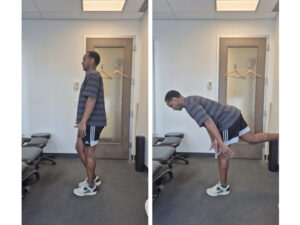
Single-Leg Romanian Deadlift (RDL)
The purpose of this exercise is to improve hip strength, balance, and knee control.
- Stand on one leg with a slight bend in the knee
- Hinge forward at the hips while extending the opposite leg behind you
- Keep your back flat and core engaged
- Return to standing by squeezing the glute of the standing leg
Perform 8–10 repetitions, 2–3 sets per side
Lateral Band Walks
The purpose of this exercise is to strengthen the hip muscles that help control knee alignment.
- Place a resistance band around your ankles or just above the knees
- Lower into an athletic stance with hips and knees slightly bent
- Step sideways while maintaining band tension
- Avoid letting the knees collapse inward
Take 8–12 steps in each direction. Perform 2–3 sets

Take the next step toward recovery
Patellofemoral pain syndrome can be frustrating, but it responds very well to the right rehabilitation approach. With a structured physiotherapy program focused on strength, movement control, and progressive loading, most people are able to return to their normal activities pain-free.
If knee pain is limiting your activity or not improving on its own, a physiotherapy assessment can help identify the underlying contributors and guide your recovery.