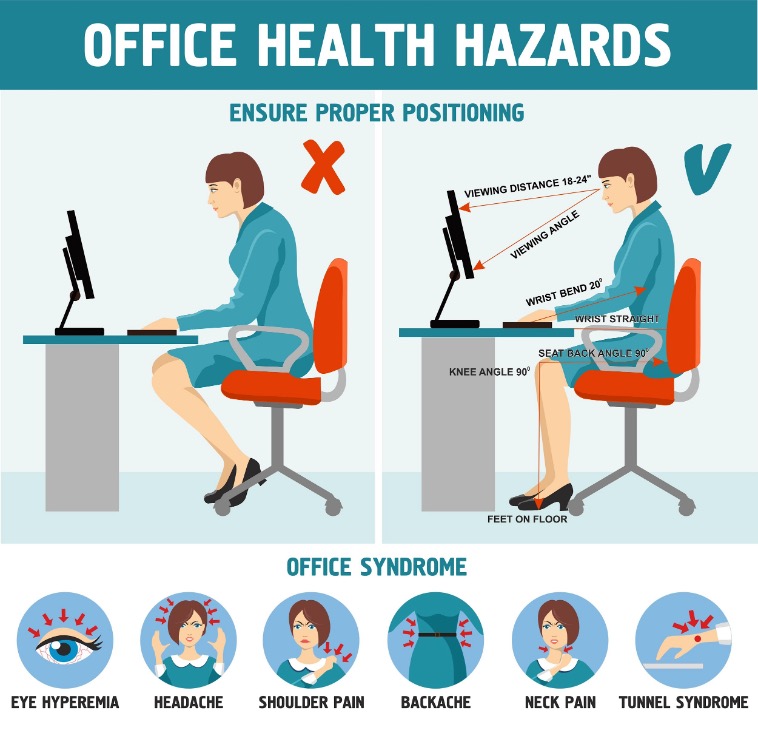
Sciatica is a condition where a patient experiences pain along the buttocks, thigh, leg, and foot. The pain may or may not be in all these areas and back pain may or may not be present. Patient often describes their pain as sharp, shooting, tight, burning, numb, or tingling. The cause of sciatica may be due to a compression of nerves in the back or compression of the sciatic nerve that travels down from the buttocks to the foot. Treatments will differ depending on where the nerve compression is. At Rebuild Physiotherapy, we offer a number of options for sciatica treatments in Toronto. During your initial assessment your physiotherapist will diagnosis the origin of the sciatica and help you choose the most effective treatment approach.
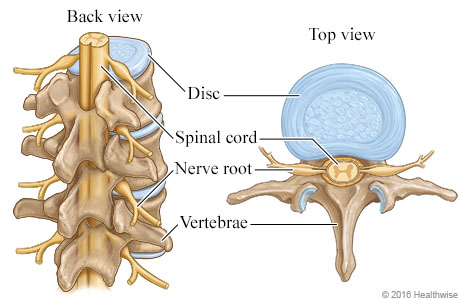
1. Sciatic nerve compression at the back
A compression of the nerves in your back can result in pain in the lower extremity even in the absence of back pain. In this case, the nerve would be pinched between two vertebrae. Your physiotherapist will use joint mobilizations to gently stretch your spine and open the space between the two vertebrae. Joint adjustments are also a very effective and safe treatment to decompress the nerve. To supplement these treatments, your physiotherapist may prescribe an extension based exercise program. Such exercises may involve repeated back extension movements, like back bends in a standing position or back bends while lying on your stomach like the cobra pose in yoga.
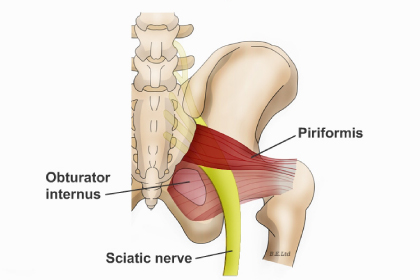
2. Sciatic nerve compression at the piriformis
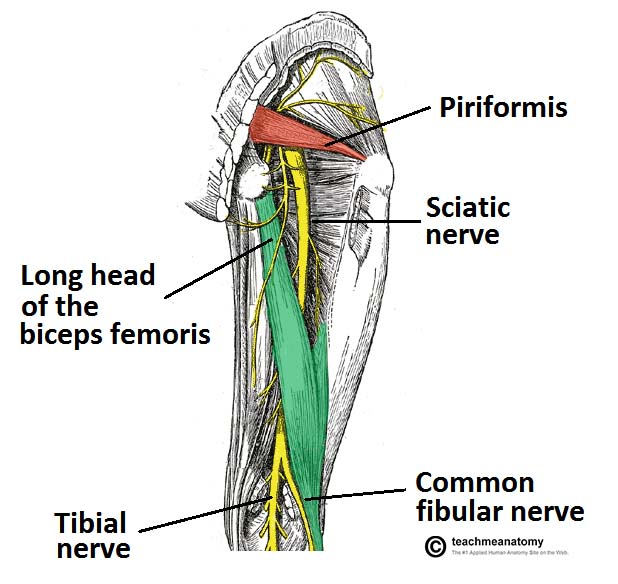
The sciatic nerve travels from the back, through the piriformis muscle, then travels down the back of the thigh. A tight piriformis can also compress the sciatic nerve. Active release treatment is effective at releasing the tension in the piriformis. This treatment involves manual pressure applied onto the muscle, then stretching the muscle through a full range of motion. Acupuncture would also be useful in this case. Your physiotherapist will apply needles at the piriformis and at different muscles along the path of the sciatic nerve. Acupuncture will stimulate a release of hormones by the body thereby promoting the body’s own natural healing abilities.
3. Sciatic nerve compression between the groin and hamstring
As the sciatic nerve travels down the back of the thigh, it travels between a muscle called the “adductor magnus” and outer head of the hamstring called the “bicep femoris”. The sciatic nerve can get compressed between the adductor magnus and bicep femoris. In this case, simply stretching the hamstring will also stretch the sciatic nerve worsening the sciatica. Instead your physiotherapist will use active release treatments to carefully separating the bicep femoris from the adductor magus using manual pressure to loosen the compression on the nerve. Nerve flossing exercises will be prescribe by your physiotherapist to glide and “floss” the sciatic nerve between the hamstring and adductor magus.
At Rebuild Physiotherapy, we offer a number of options for sciatica treatments in Toronto. Call today for a consultation with our physiotherapists to start your road to recovery!
FAQ: Sciatica
1. What is sciatica?
Sciatica refers to pain that radiates along the path of the sciatic nerve, typically from the lower back down through the buttock and into the leg. It’s a symptom rather than a diagnosis and can vary from mild discomfort to sharp, burning, or shooting pain.
2. What causes sciatica?
Sciatica is usually caused by irritation or compression of the sciatic nerve. Common causes include:
- Disc bulges or herniations in the lower back
- Spinal stenosis (narrowing of the spinal canal)
- Muscle tightness (especially the piriformis)
- Joint stiffness or dysfunction in the lower spine
3. How do physiotherapists diagnose the cause of my sciatica?
Physiotherapists perform a detailed assessment that includes:
- Reviewing your symptoms and medical history
- Testing movement, flexibility, and strength
- Performing specific nerve tension tests
- Assessing posture and joint mobility
This helps determine whether your sciatica is coming from a disc, joint, muscle, or nerve-related issue.
4. What is involved in physiotherapy treatment for sciatica?
Treatment typically includes a combination of:
- Manual therapy (joint mobilization, soft tissue work)
- Targeted exercises to improve strength and mobility
- Nerve flossing/mobility exercises
- Education on posture, movement, and activity modification
The goal is to reduce nerve irritation and restore normal movement.
5. How does joint mobilization treat sciatica?
Joint mobilization involves gentle, controlled movements applied to the spine. This helps:
- Improve mobility in stiff spinal segments
- Reduce pressure on irritated nerves
- Restore normal movement patterns
By improving how the joints move, stress on the sciatic nerve can be reduced.
6. How does active release treatment treat sciatica?
Active Release Techniques (ART) focus on releasing tight muscles and fascia that may be compressing or irritating the nerve. It involves:
- Applying pressure to tight areas
- Moving the muscle through a range of motion
This can reduce muscle tension and improve tissue mobility around the nerve.
7. How does acupuncture treat sciatica?
Acupuncture may help by:
- Reducing pain signals
- Improving blood flow
- Relaxing tight muscles
It can be useful for symptom relief, especially when combined with other physiotherapy treatments.
8. How do nerve flossing exercises treat sciatica?
Nerve flossing (or nerve mobility) exercises gently move the sciatic nerve through its pathway. This helps:
- Reduce nerve sensitivity
- Improve mobility of the nerve
- Decrease pain over time
These exercises are typically introduced gradually and tailored to your tolerance.
9. Will stretching alone fix sciatica?
In most cases, no. While stretching can help relieve muscle tightness, sciatica often involves nerve irritation, joint dysfunction, or disc issues. A comprehensive approach—including strengthening, mobility work, and manual therapy—is usually needed for full recovery.