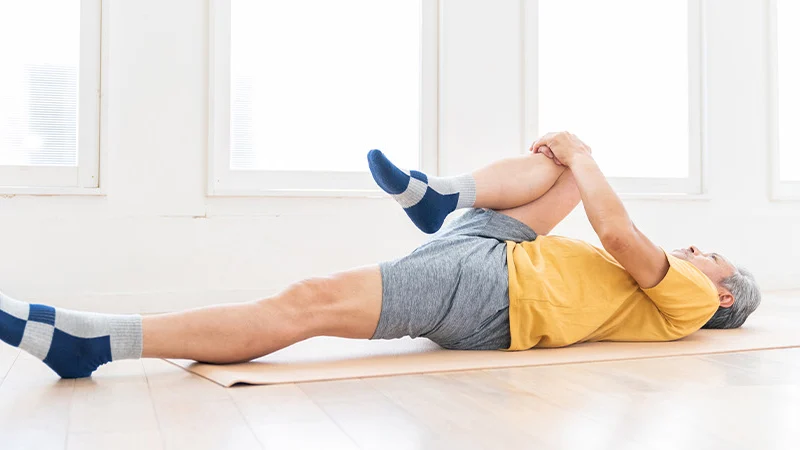
One of the most common knee conditions is called runners knee. However you can have this injury even if you are not a runner. The medical term for this condition is called patellar femoral pain syndrome. In this injury the pain is in the front of the knee but can move from side to side and underneath the knee cap. This knee pain is caused by a muscle imbalance. The muscles on the outside of the knee, mainly the vastus lateralis, IT band, and gluteus maximus becomes too tight pulling the patella outwards. Meanwhile the vastus medialis, which is on the inside of the knee, and the gluteus medials in the hip are weak. Overall this causes the patella to glide outwards which can result in anterior knee pain. Active release and acupuncture are very effective treatments at releasing the muscle tension in the vastus lateralis, IT band, and gluteus maximus. After the manual treatment I would prescribe these exercises to address the weakness in the vastus medals and gluteus medius. Follow us on instagram @rebuildphysiotherapy for full videos of these knee and hip exercises.
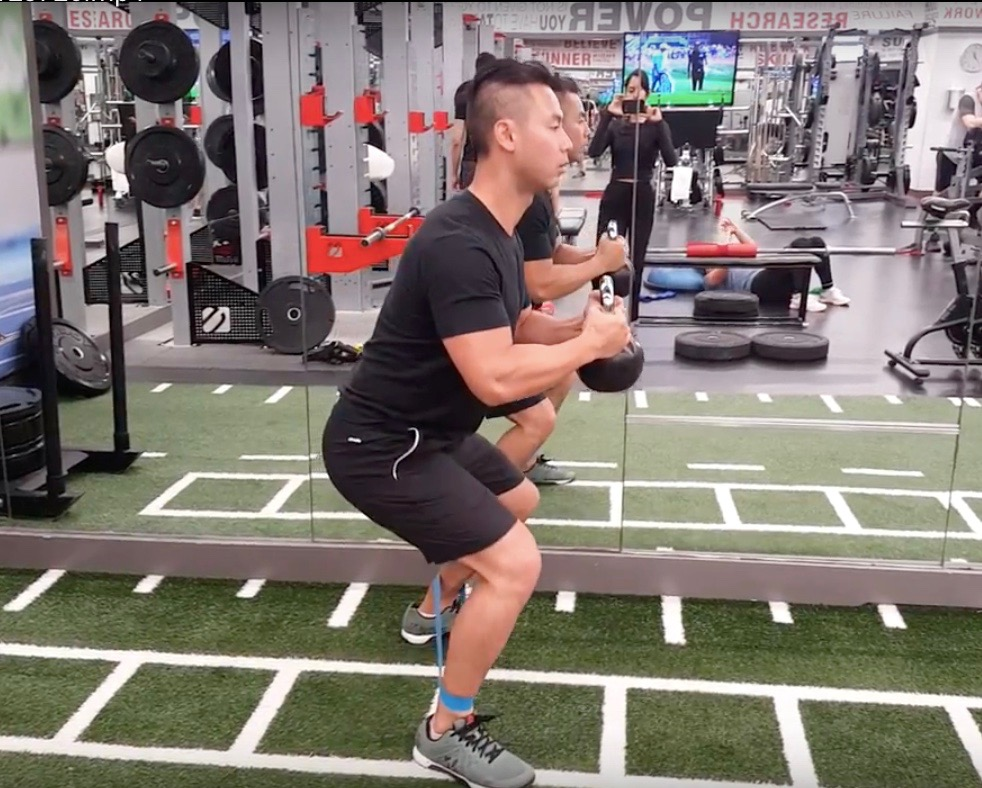
1) Banded Cowboy walk
-
- Place the band around your ankles.
-
- Squat down in a deep athletic position and engage your core.
-
- Keep your knees pointed outwards, step forward lifting up each foot as you step.
-
- Keep your torso facing forward and avoid rotating your torso as you are walking.
-
- Take big slow steps.
-
- After walking forward the desired number of paces walk backwards to the starting position. Stepping backwards will really challenge the gluts.
-
- Progression 1: hold a kettle bell or dumbbell out in front of your body to engage the upper body and further challenge the core.
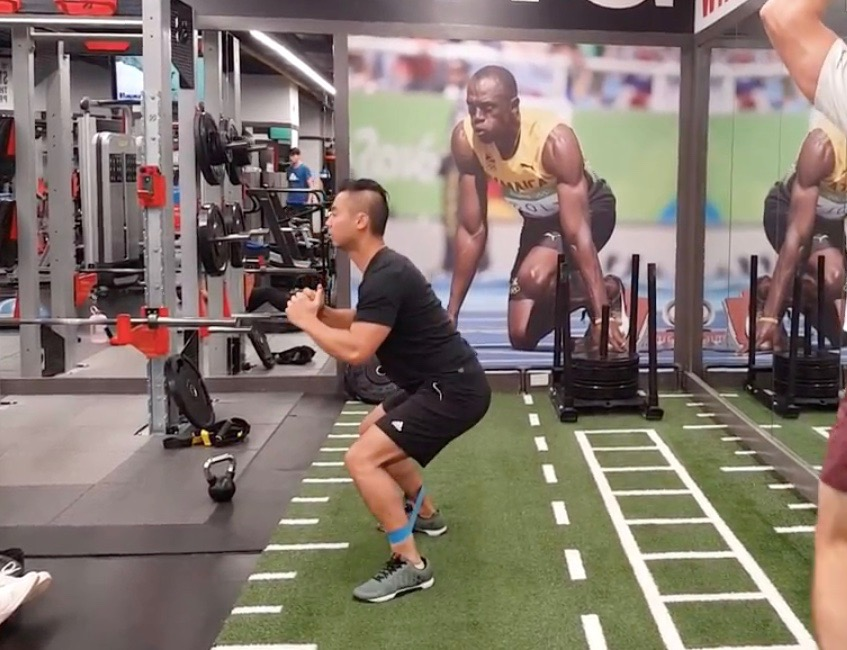
2) Banded Crab walk
-
- Place the band around your ankles.
-
- Squat down in a deep athletic position and engage your core.
-
- Keep your knees pointed outwards, step laterally lifting up each foot as you step.
-
- Take big slow steps.
-
- After walking the desired number of paces walk back to the starting position with the same technique.
-
- Progression 1: hold a kettle bell or dumbbell out in front of your body to engage the upper body and further challenge the core.
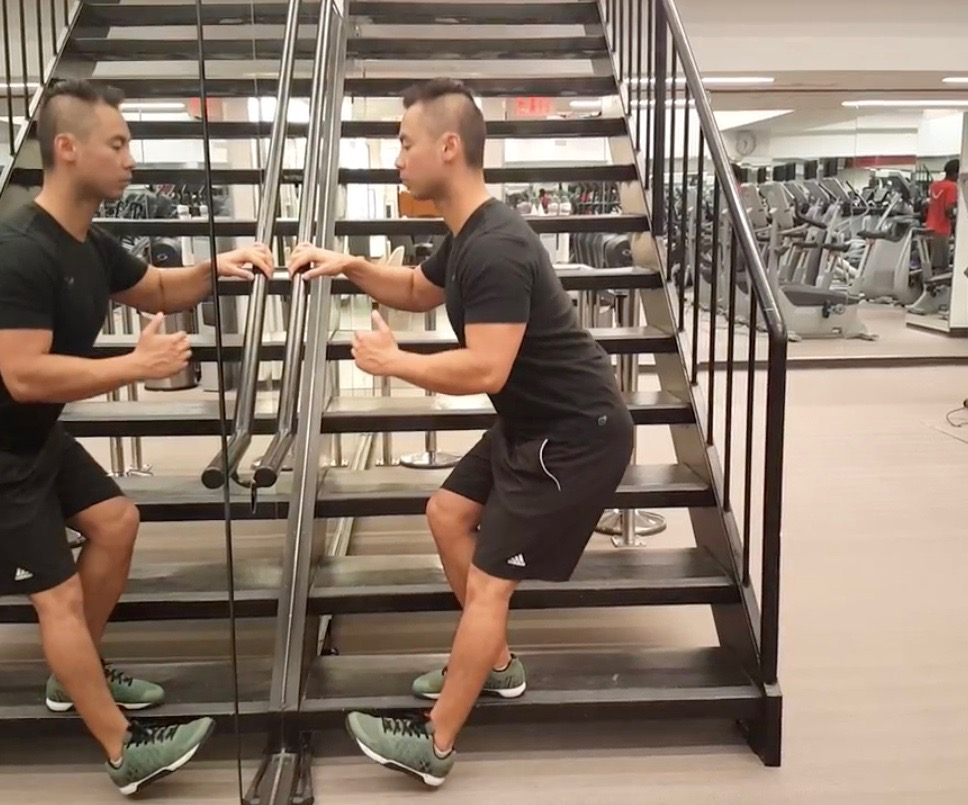
3) Single legged squat on stairs.
-
- Stand on one foot facing the arm rail.
-
- Squat down leading with your hips.
-
- Keeping your back straight and lean forward to counter balance.
-
- Drive through your heels as you stand back up.
-
- Extend your hips all the way forward at the top of the movement.
-
- It’s important to keep your hips facing forward and level throughout this exercise.
Knee Pain & Physiotherapy Exercises – Frequently Asked Questions
1. What are the top three physiotherapy exercises to help reduce knee pain?
Three highly effective, physio-approved exercises include:
- Banded cowboy walk
- Banded crab walk
- Single legged squat on stairs
These exercises target the quadriceps, glutes, and supporting muscles that help stabilize the knee and reduce stress on the joint.
2. How do physiotherapy exercises strengthen the knee and reduce pain?
Physiotherapy exercises work by:
- Strengthening muscles that support the knee (quads, hamstrings, glutes)
- Improving joint alignment and movement control
- Reducing strain on sensitive structures like cartilage and ligaments
Stronger, well-coordinated muscles help absorb load better, which decreases pain during daily activities.
3. Can these physiotherapy fixes help knee pain from osteoarthritis?
Yes. These exercises are commonly recommended for people with knee osteoarthritis. They can:
- Reduce joint stiffness
- Improve mobility and function
- Decrease pain over time
While they don’t “reverse” arthritis, they are one of the most effective ways to manage symptoms and stay active.
4. How often should I do these knee exercises to see improvement?
Most people benefit from:
- 3–5 times per week for strengthening exercises
- Light mobility or activation work can be done daily
Consistency is key. Gradual, regular exercise leads to better long-term results than occasional intense sessions.
5. Are the knee physiotherapy exercises suitable for beginners or all ages?
Yes, these exercises are generally safe for beginners and across age groups when done correctly. They can be:
- Modified for different fitness levels
- Progressed gradually as strength improves
If you have significant pain or other medical conditions, it’s best to get guidance before starting.
6. Should I warm up before starting knee physiotherapy exercises?
Yes, warming up helps prepare your body and reduce discomfort. A simple warm-up can include:
- 5–10 minutes of walking or cycling
- Gentle leg swings or marching in place
This increases blood flow and makes exercises more comfortable and effective.
7. Can physiotherapy at home relieve knee pain without equipment?
Absolutely. Many effective exercises use just your body weight, such as:
- Sit-to-stands
- Step-ups (using stairs)
- Straight leg raises
Consistency and proper technique matter more than equipment. Resistance bands or weights can be added later if needed.
8. What common mistakes should I avoid when doing knee pain exercises?
Common mistakes include:
- Pushing through sharp or worsening pain
- Letting the knee collapse inward during exercises
- Progressing too quickly
- Skipping warm-ups
- Using poor form or rushing movements
Focus on slow, controlled movements and proper alignment.
9. How long does it take to feel relief from knee pain with physiotherapy exercises?
Many people notice:
- Early improvements within 2–4 weeks
- More significant changes in 6–8 weeks
Results depend on consistency, severity of the condition, and overall activity levels.
10. When should knee pain be assessed by a physiotherapist?
You should seek assessment if:
- Pain persists beyond a few weeks
- Swelling, locking, or instability is present
- Pain is worsening or limiting daily activities
- You’re unsure which exercises are safe
A physiotherapist can diagnose the issue and create a personalized plan to help you recover safely and efficiently.