Achilles tendonitis is a common overuse injury that causes pain and stiffness along the Achilles tendon at the back of the ankle. This guide explains the causes, symptoms, and treatment options for Achilles tendon pain, including how physiotherapy, strengthening exercises, activity modification, and proper footwear can help restore function and prevent future injuries.
What is it?
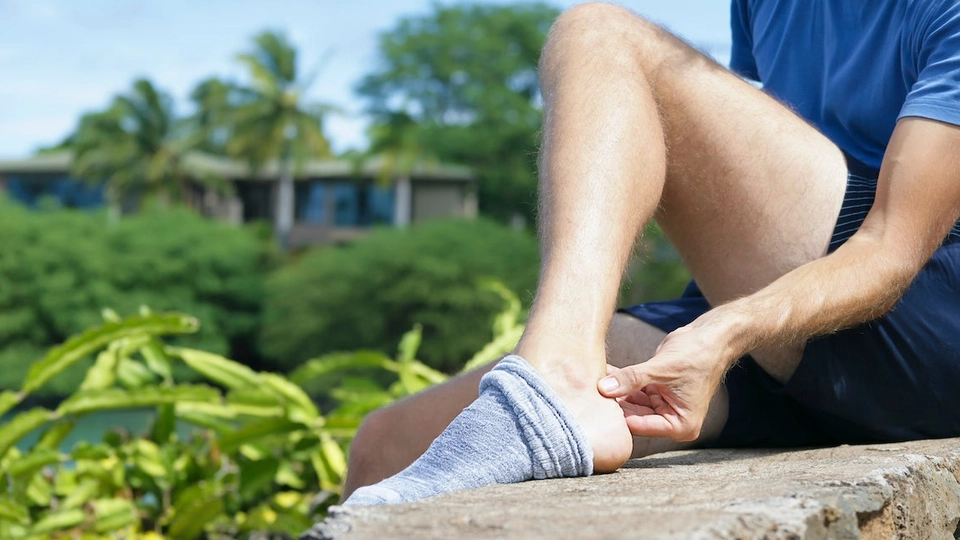
The Achilles tendon is the band of tissue that connects the calf (muscle in the back of the leg) to the heel bone. Achilles tendonitis is an overuse injury of the Achilles tendon. Repetitive stress from an activity will cause micro tears and inflammation in the Achilles tendon. Recent research has shown that Achilles “tendonitis” may be more correctly termed Achilles “tendinosis”. Tendinosis is a degeneration of the tendon due to repetitive stress of an activity. Fortunately whether or not it is termed Achilles tendonitis or tendinosis the treatment is similar and equally as effective. The cause of this issue is usually due to overtraining which is when you train too hard and too fast. This overtraining overloads the Achilles tendon causing Achilles tendonitis/tendinosis.
What are the signs and symptoms?
- pain in the tendon during or after an activity such as walking, jumping, or running.
- pain the next morning after the activity from the day before. Discomfort is often reduced after walking around for a few minutes.
- discomfort when walking after a period of sitting.
- pain along the attachment of the tendon onto the heel is known as insertional Achilles tendonitis
- pain along the middle of the tendon is referred to as non-insertional Achilles tendonitis
How is it treated?
Your physiotherapist will work with you to massage and stretch the calf muscles and Achilles tendon. Acupuncture and dry needling will also be effective at reducing the tension in this area. If over training is the cause of your issue it is important to reduce the volume or even perhaps take a short break to allow your leg to rest. Proper footwear is also important to consider. Your physiotherapist will assess your foot and advise you on the type of shoes you should wear. If you have flat feet or a high arch you need a pair of shoes that fits your foot properly. Your foot and Achilles tendon absorbs a lot of force when you run or jump and the proper pair of shoes for your feet will help absorb those forces evenly. Your physiotherapist will also prescribe you foot exercises and jumping exercises to help strengthen and condition your achilles.
Common home exercises
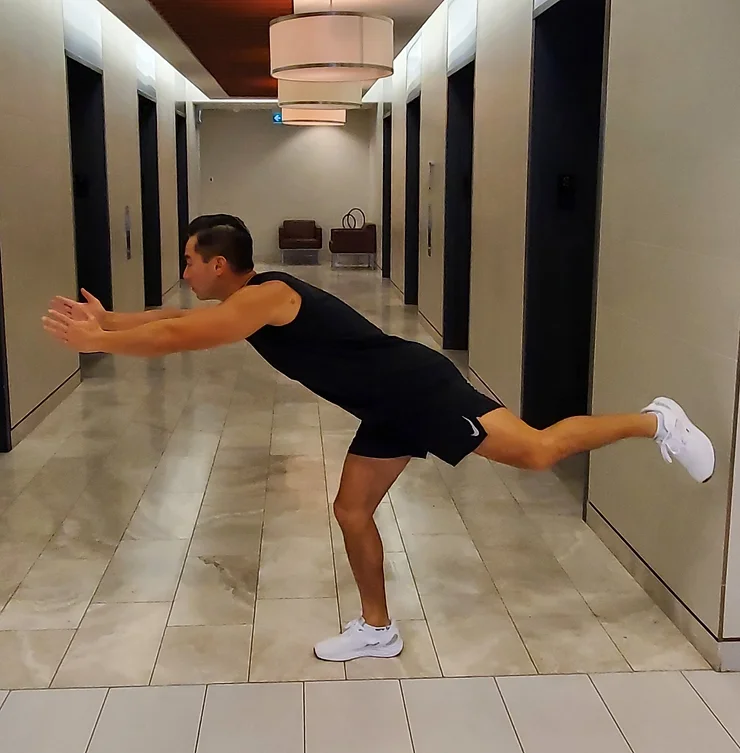
Single Legged Romanian Deadlifts
This balance exercise helps strengthen the muscles in the foot and lower leg. Stand on one leg. Bend forward reaching both arms forward and kick one foot backwards. Try your best to bend forward at your hips and keep your knee fairly straight. Stand back up and repeat. This is a balance exercise so if you fall during a repetition you must repeat it again.
Calf raises
Start with both feet on the ground. Stand up onto your tippy toes to engage your calves. As your Achilles feel better progress to doing single legged calf raises using only the affect foot.

Jumping jacks/ Single legged hops
Jumping exercises will introduce a plyometric load to your Achilles. This is important if you want to return to running and playing sports. You will start with jumping jacks. As you are feeling less pain with jumping jacks progress to single legged hops on the affected foot.
Frequently Asked Questions About Achilles Tendonitis
1. What is Achilles tendonitis?
Achilles tendonitis is an overuse injury that causes irritation, inflammation, and degeneration of the Achilles tendon, the strong band of tissue that connects the calf muscles to the heel bone. The Achilles tendon helps with walking, running, jumping, and pushing off the ground. Achilles tendonitis commonly occurs in runners, athletes, and active individuals due to repetitive stress placed on the tendon.
2. What are the common symptoms of Achilles tendonitis?
The most common symptoms of Achilles tendonitis include pain and stiffness along the back of the ankle or heel, especially during activity. Other symptoms may include tenderness or swelling around the Achilles tendon, morning stiffness that improves with movement, pain during running or jumping, thickening of the tendon, and discomfort when walking or climbing stairs. Symptoms may gradually worsen if the tendon continues to be overloaded.
3. What causes Achilles tendonitis?
Achilles tendonitis is usually caused by repetitive stress that exceeds the tendon’s ability to recover. Common causes include suddenly increasing running distance or intensity, poor calf strength, tight calf muscles, improper footwear, poor training habits, limited ankle mobility, and repetitive activities such as running, jumping, or sports. Age, body weight, and previous tendon injuries can also increase the risk of developing Achilles tendon pain.
4. Can physiotherapy help treat Achilles tendonitis?
Yes. Physiotherapy is one of the most effective treatments for Achilles tendonitis because it addresses the underlying causes of tendon irritation and weakness. A physiotherapist will assess your ankle mobility, calf strength, walking and running mechanics, and activity level to create a personalized treatment plan. Treatment may include strengthening exercises, manual therapy, stretching, soft tissue techniques, activity modification, gait analysis, and education to promote tendon healing.
5. What are the best exercises for Achilles tendonitis?
The best exercises for Achilles tendonitis focus on gradually strengthening the Achilles tendon and calf muscles. Commonly recommended exercises include eccentric heel drops, calf raises, seated heel raises, calf stretching, ankle mobility exercises, and progressive strengthening exercises. Exercise intensity should be increased gradually to avoid irritating the tendon. A physiotherapist can determine the appropriate exercises and progression based on the severity of your Achilles tendon injury.
6. Should I continue running with Achilles tendonitis?
You may be able to continue running with mild Achilles tendonitis, but activity should be modified based on your symptoms. Running through increasing or severe pain can delay recovery and worsen tendon irritation. Reducing running volume, avoiding hills and speed training, and gradually returning to normal activity can help the tendon recover. A physiotherapist can guide a safe return-to-running program.
7. How long does Achilles tendonitis take to heal?
Recovery from Achilles tendonitis varies depending on the severity of the injury and how long symptoms have been present. Mild cases may improve within several weeks, while chronic Achilles tendon pain may require three to four months or longer of consistent rehabilitation. Since tendons heal slowly due to limited blood supply, following a structured strengthening program is important for long-term recovery.
8. Can Achilles tendonitis heal without surgery?
Yes. Most cases of Achilles tendonitis improve without surgery through conservative treatment. Rest from aggravating activities, physiotherapy, progressive strengthening exercises, proper footwear, and gradual return to activity are usually effective. Surgery is rarely needed and is typically only considered for severe tendon damage or cases that do not improve after several months of appropriate rehabilitation.
9. How can I prevent Achilles tendonitis?
Achilles tendonitis can often be prevented by gradually increasing exercise intensity, strengthening the calf muscles, maintaining ankle flexibility, wearing supportive footwear, warming up before activity, and allowing adequate recovery between workouts. Runners should avoid sudden increases in mileage or intensity and incorporate strength training into their routine to improve tendon resilience and reduce injury risk.
10. When should I see a physiotherapist for Achilles tendonitis?
You should see a physiotherapist for Achilles tendonitis if you have persistent heel or Achilles tendon pain, stiffness that does not improve, difficulty walking or running, swelling around the tendon, or symptoms that keep returning during exercise. Early assessment can identify contributing factors, reduce pain, improve tendon strength, and help prevent the injury from becoming chronic.